Helping Australians juggle since 2021
Juggling Balls Australia – All Buying Options
I taught myself to juggle as a New Year's resolution — and I've never put the balls down. Here's everything I wish I'd known on day one: which juggling balls to buy in Australia, honest store-by-store reviews, and simple steps to get your first three-ball cascade going.
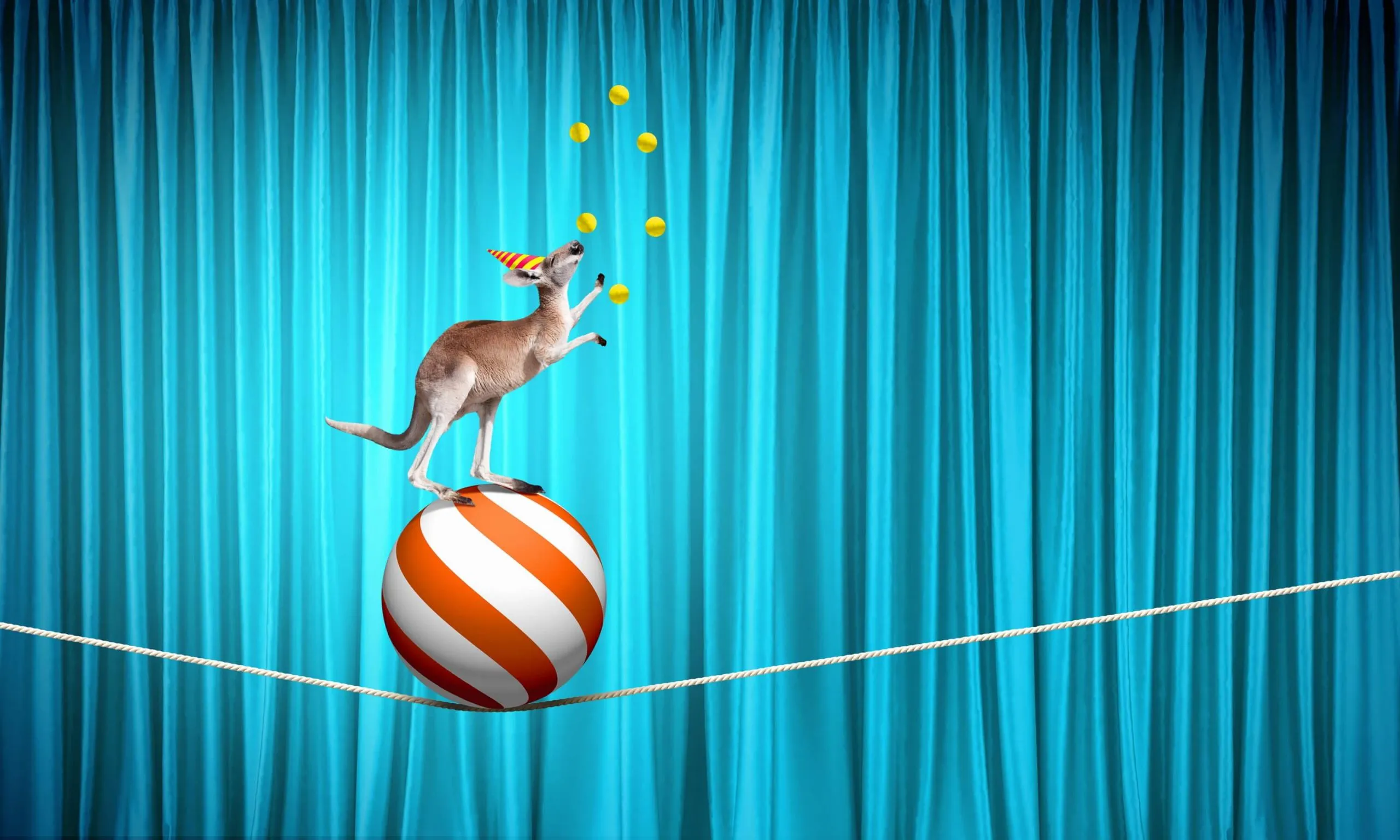
Juggling has been around for centuries. In fact, the oldest known reference to juggling was found in the tomb of an Egyptian prince! The tomb had a wall painting depicting several women juggling three balls – one even performing what is known today as a cross-arm cascade. The artwork dates back to about 1994–1781 BC.1
Jugglers can use different props to juggle: juggling rings, clubs and balls are some of the most popular types. Anyone who has ever witnessed the art of juggling knows how extraordinary it looks! It is exciting, entertaining and enjoyable — and I believe it's a skill everyone should know.
New to juggling?
Start here — three steps to your first cascade
Most people can juggle three balls within a few days of short practice sessions. These guides get you there.
- 1Learn to juggle
How to juggle 3 balls
You’ve been to the circus with your children and now you want to learn how to juggle together? No problem: with the right instructions, everyone can throw…
Read the guide - 2
 Learn to juggle
5 beginner mistakes to avoid
Congratulations on embarking on the exciting journey of learning to juggle! This skill, which beautifully blends coordination, focus, and a touch of…
Read the guide - 3Learn to juggle
3 easy tricks to learn next
Three-ball juggling is an amazing life-long hobby for many people. All it takes to start is 3 balls, an hour or two of free time and some guidelines, then…
Read the guide
Why juggle?
Benefits of Juggling
Juggling is good for your brain, your body and your mood — and it's a wonderful way to connect with other people. Here are my favourite reasons to pick up three balls.
 See all 17 benefits of juggling →
It's good for the brain
An Oxford University study found that six weeks of juggling practice changed the brain — specifically “regions of the brain which are involved in reaching and grasping in the periphery of vision.”2
Mindfulness & stress relief
You can't worry about your inbox while three balls are in the air. Juggling gives you a genuine, focused break from whatever's weighing on you.
Really good exercise
A one-hour juggling session can burn up to 280 calories — and all that throwing and catching makes your arms and shoulders stronger.3
It brings people together
Teach a friend, pass balls with your kids, or join a local juggling club. It's one of the easiest ways to start a conversation (and a laugh).
Cheap to start
A beginner set costs less than a takeaway lunch, and there are no ongoing fees. Few skills give you this much for so little.
Choosing your first set
Best Juggling Balls for Beginners
If you're just starting out, it's really important to pick balls that are beginner-friendly. The wrong type can make things harder than they need to be — and at worst, put you off altogether.
Bean Bags
Bean bags are made up of several pieces of genuine or imitation leather that are sewn together and filled with millet or plastic beads. Bean bags tick multiple boxes for a beginner juggler.
Why bean bags are best for beginner jugglers
- They're easy to grip. Bean bag balls are manageable and can be gripped with ease when you juggle them.
- They don't roll away. When you're starting out the balls are going to fall — a lot. Nobody starts perfect! Bean bags stay where they land, so you spend your practice time juggling, not chasing.
Juggle with balls of the right size
When learning, avoid larger balls. Go for somewhere between 5.5 and 8 centimetres in diameter — about the size of an orange.
Your hand size matters too: smaller hands suit smaller balls, larger hands a bigger ball. But when you're starting out, stick to the beginner range above.
See beginner bean bags on AmazonAffiliate link
Levelling up
Professional Juggling Balls
There are lots of options for more advanced jugglers, and it can get confusing. These are the most popular types of professional juggling balls.
Premium bean bag balls
Loved by beginners and professionals alike. For pros, go for premium-grade bean bags that are more durable — they come in a multitude of sizes and colours.
Stage balls
Hollow, so bigger balls aren’t much heavier than small ones. Great for toss and contact juggling, and their fluorescent colours look super cool under UV light.
Acrylic balls
The go-to for contact juggling thanks to their smooth, seamless surface. Clear acrylic is the most popular, but they come in different sizes and colours.
Hybrid balls
The newest category: a hard or soft shell with a liquid or solid filling. The Russian juggling ball — a hard shell filled with salt or sand — is a classic hybrid.
Where to buy
Buy Juggling Balls Online in Australia
From bean bags and stage balls to hybrid and acrylic balls, every type is available online. Here are the best places to buy, depending on what matters most to you.
Global e-commerce websites
Biggest variety and popular brands, from low to mid-range prices.
Shop online from Australian stores
Check products in-store before you buy, and return them easily if needed.
Online specialty shops
Buy from the experts: top-notch quality and a huge range, at slightly higher prices.
- Threeworlds – fun for lifeBoutique juggling, music and meditation store headquartered in Burleigh Heads on the Gold Coast, plus a shop in Melbourne. They started out selling their own products at local markets.
- The Circus ShopFounded by circus legend Dr Reg Bolton, this Western Australia-based shop is now run by his daughter and her family, with a focus on circus skills and education for kids.
- Balls For Your MindMelbourne-based manufacturer, distributor and retailer of juggling equipment. You can even chat with the founders at selected markets.
Honest reviews
Juggling Ball Reviews
Detailed reviews of the juggling balls you can actually buy in Australia, for beginners and seasoned jugglers alike — so you can find the right set for your skill level and budget.
 Amazon
Juggling Balls Amazon
Read review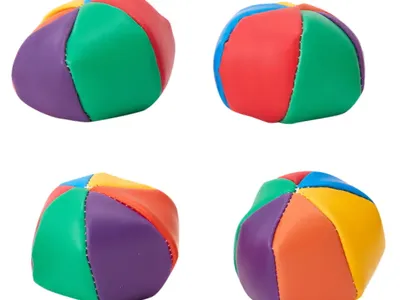 Kmart
KmartJuggling Balls Kmart
Read review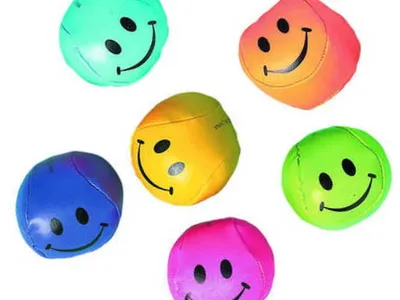 Big W
Big WJuggling Balls Big W
Read review Target
Juggling Balls Target
Read review Rebel Sport
Juggling Balls Rebel Sport
Read review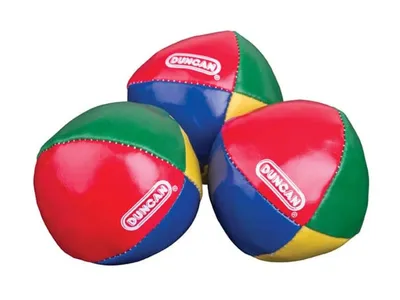 Amazon
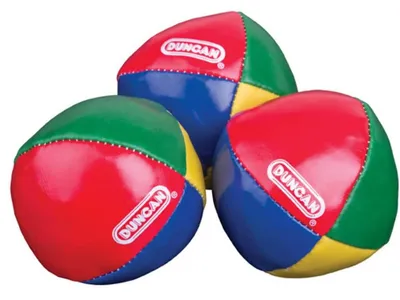
Duncan Juggling Balls – Perfect for All Skill Levels
Read review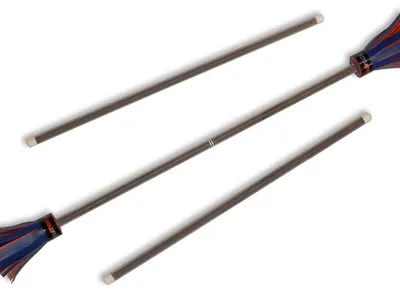 Amazon
Devil Sticks Juggling Sticks
Read reviewKeep learning
More juggling guides
Classes, tutors & courses in Australia
If you’ve recently decided to start juggling, you might be wondering exactly how to learn this fun skill. The good news is – there are many different ways…
Read the guide
Juggling sticks for beginners
Juggling sticks, often referred to as devil sticks, are a popular juggling tool that can help improve hand-eye coordination, dexterity, and even the…
Read the guide
Soccer ball juggling in 5 steps
Juggling a soccer ball with your feet is a vital skill mastered by top players like Lionel Messi, Cristiano Ronaldo, and Kylian Mbappé. This technique…
Read the guide
Professional juggling balls explained
Professional juggling balls are typically made of a heavier material than those found at retail stores. They are also often more spherical in shape, which…
Read the guide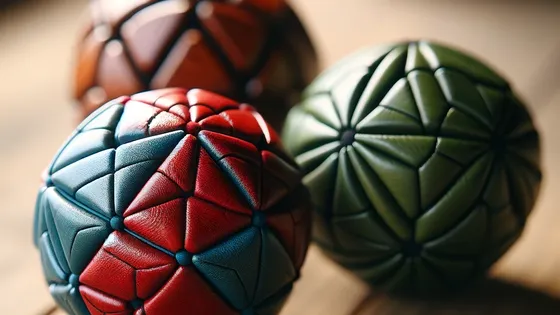
Make your own leather juggling balls
Creating a step-by-step guide to make leather juggling balls, we’ll start with explaining why leather is an ideal material for such balls. Leather is…
Read the guide
17 benefits of juggling
17 benefits of juggling, from sharper focus, coordination and confidence to fitness, stress relief and a friendly community. A cheap hobby you can take anywhere.
Read the guideConclusions
Juggling is entertaining — no doubt about that. But it's so much more: consistent practice does you good, both mentally and physically. So what are you waiting for? Get yourself some juggling balls and get tossing.
If you're already a juggler, nice work — keep it up, refine your skills, and maybe teach a friend. That's how juggling spreads.
Questions
FAQ
The things people ask me most when they see me juggling.
Is juggling hard to learn?
Learning to juggle certainly tests your patience. In the beginning, it can be difficult, but with time the difficulty decreases. All it requires is patience and persistence. With a bit of determination and a willingness to learn, anyone can learn to juggle.
How long does it take before I can juggle 3 balls?
It differs from person to person. Sometimes a person could learn within a matter of hours or maybe a day. Whereas, for someone else, it could take a week or a month. Basically, it can take hours, days, weeks, or even months to learn to juggle 3 balls.
Is juggling good for the brain?
Yes, it is considered good for the brain. It is believed to improve hand-eye coordination and focus. According to an Oxford University study, juggling enhances the connections in the brain. The study suggests that juggling increases white matter in the brain.
What are the health benefits of juggling?
Juggling has amazing health benefits both mentally and physically. Consistent practice improves hand-eye coordination and communication. Mainly, it is an excellent exercise for the mind — according to a study, it increases the white matter in the brain. It is also good physical exercise, especially for the arms. Plus, an hour of juggling can burn up to 280 calories.
Which juggling balls are the best?
This depends on the form of juggling and the juggler’s level. Best for beginners: bean bag balls. Best for intermediate and professional jugglers: stage balls, which suit both toss and contact juggling (go for larger stage balls around 100 mm for contact juggling). Best for contact juggling: acrylic balls. Best for bounce juggling: bouncing balls — silicone bouncing balls are a good pick to start with.
Is it possible for older people to learn to juggle?
Yes, older people can learn to juggle. Research has shown that not only can they pick up juggling, but their brains actually adapt and grow in the process, similar to younger learners. The study highlights how this new skill leads to increases in gray matter in areas of the brain involved in visual and motor skills. So, it’s never too late to start! (Source: Training-Induced Brain Structure Changes in the Elderly)
Sources
- Professor Arthur Lewbel: History of Juggling (2002)↩
- University of Oxford: Juggling enhances connections in the brain (2009)
- JuggleFit: Benefits of Juggling
- Informal estimates only:International Jugglers' Association 1990 Juggling Census (about 23% of Americans) andNed Batchelder: 30% of people can juggle (2020) (20–30% in online polls).
Image credits: “Circus Kangaroo”: Sergey Nivens/Shutterstock.com